 Dunfermline Hub
Introduction
Dunfermline Athletic, affectionately known as The Pars, have been making strides in the Scottish Championship. With their recent performances showcasing both promise and inconsistency, it’s an opportune moment to delve into the tactical nuances of their gameplay and suggest some strategic tweaks that could bolster their quest for success.
Recent Tactical Observations
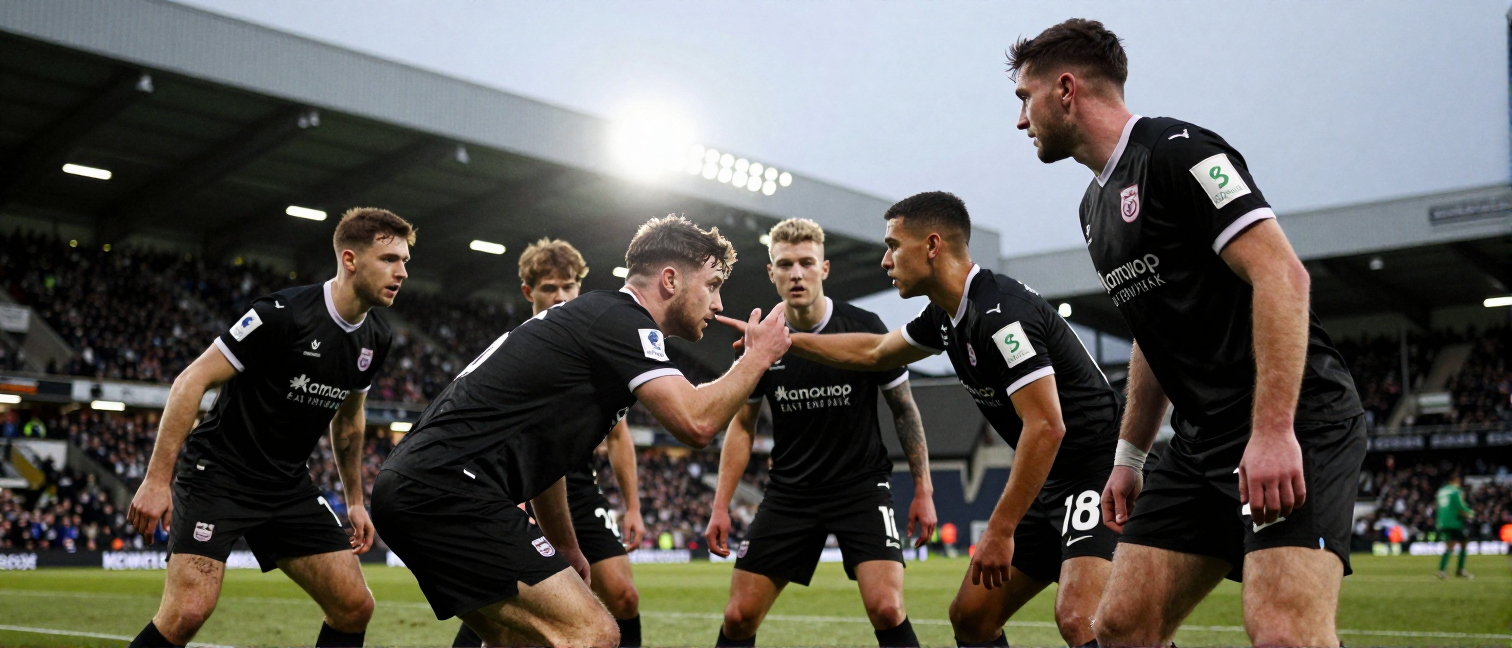
In their latest outings, Dunfermline has demonstrated a solid defensive structure, primarily focusing on a 4-2-3-1 formation that allows for flexibility in both attack and defense. The back four, anchored by stalwarts like K. Benedictus, has generally held firm against opposing forwards, while the double pivot in midfield has provided a layer of protection. However, there have been instances where the midfield has appeared overrun, particularly against teams that employ a high-pressing game.
Midfield Dynamics
One area that stands out is the midfield transition. While the double pivot can effectively shield the defense, it sometimes lacks the dynamism needed to launch quick counter-attacks. Introducing a more fluid midfield setup, perhaps transitioning to a 4-3-3, could allow for a more aggressive thrust going forward. By deploying a more advanced playmaker alongside the two holding midfielders, Dunfermline could enhance their ball retention and improve link-up play with the forwards.
Wing Play and Width
The wing positions have been a double-edged sword for The Pars. On one hand, the wingers have the pace to stretch opposing defenses, but on the other, there have been games where they have been isolated and unable to impact the match significantly. A tweak in tactics could involve encouraging full-backs to overlap more frequently, providing additional width and creating space for the wingers to cut inside. This could also draw defenders out of position, allowing the strikers more room to maneuver in the box.
Pressing and Defensive Shape
While Dunfermline has shown resilience in defense, they have often struggled to regain possession quickly after losing the ball. Implementing a more coordinated pressing strategy could help in winning the ball back higher up the pitch, thus preventing opponents from transitioning smoothly into attack. Training sessions focusing on pressing triggers, where players react collectively to specific cues, could enhance their effectiveness in this area.
Set-Pieces as a Weapon
Set-pieces have been an underutilized facet of Dunfermline's game. With the height and physicality of players like K. Benedictus and others, capitalizing on corners and free-kicks could yield valuable goals. A dedicated set-piece coach could work on innovative routines that take advantage of their aerial strength, potentially turning dead-ball situations into scoring opportunities.
Conclusion
As Dunfermline Athletic heads deeper into the season, fine-tuning these tactical elements could provide the edge needed to navigate the challenges of the Scottish Championship. By enhancing midfield dynamics, utilizing width more effectively, coordinating pressing strategies, and maximizing set-pieces, The Pars can look to solidify their position and mount a serious challenge for promotion. The foundation is there; it’s just a matter of making the right adjustments to bring out the best in the squad.