 Dunfermline Hub
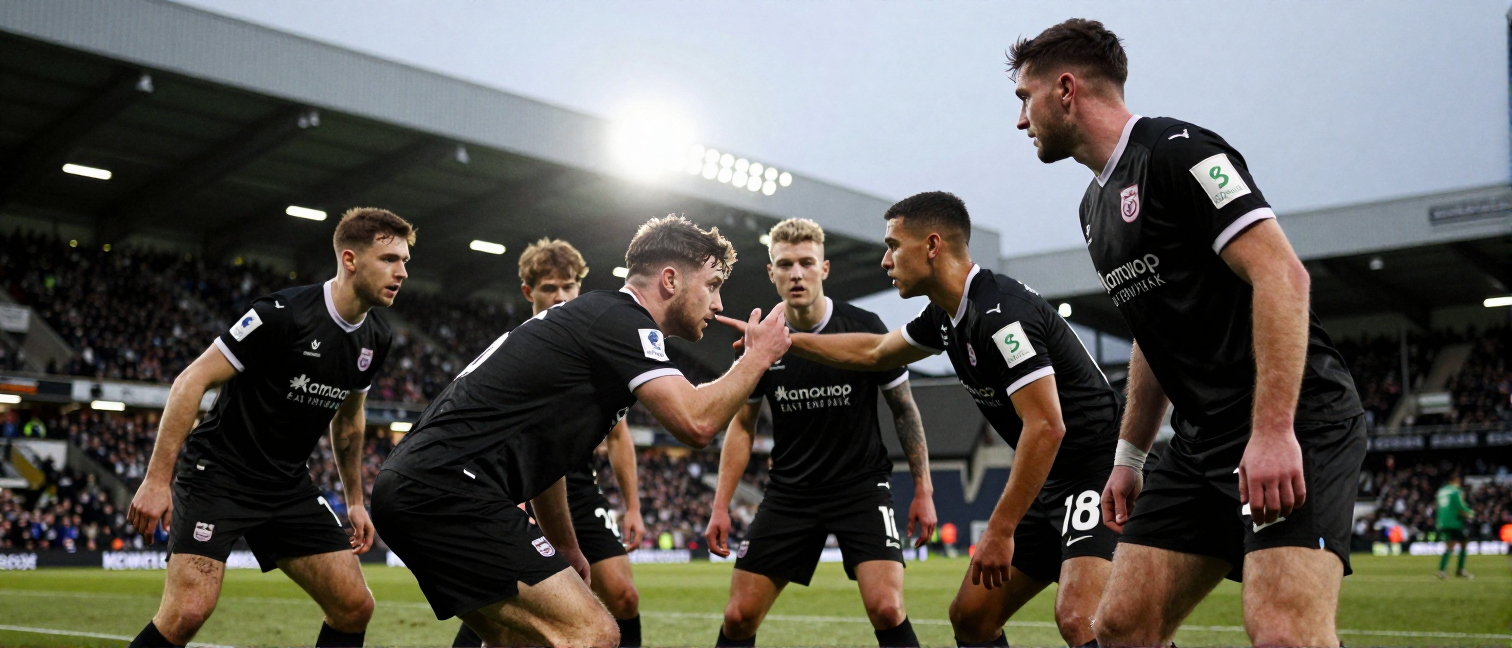
Dunfermline is not just playing games; they are evolving strategically on the pitch. Under the guidance of James McPake, the club has adopted a more dynamic approach, mixing formation fluidity with an emphasis on pressing. This evolution has been evident in recent performances, showcasing both defensive solidity and attacking flair.
The team typically sets up in a 4-3-3 formation, allowing for width and flexibility. The full-backs, particularly on the left side, have been encouraged to push forward, creating overlaps that stretch opposing defences. In the match against Ayr United, these tactics yielded two goals, illustrating how vital this approach can be.
Tactical analysis table
| Match | Formation | Goals Scored | Clean Sheets |
|---|---|---|---|
| Dunfermline vs. Ayr United | 4-3-3 | 3 | 1 |
| Dunfermline vs. Greenock Morton | 4-3-3 | 2 | 1 |
| Dunfermline vs. Raith Rovers | 4-3-3 | 1 | 0 |
Defensively, the team has maintained shape and discipline, avoiding unnecessary risks. The midfield trio plays a vital role in both transition and possession; their ability to track back and support the defence while pushing forward adds depth to their play. Players like K. Benedictus anchor the backline while A. Amade and K. Bray contribute to a balanced midfield.
As the season progresses, can Dunfermline maintain this tactical approach? The increasing level of competition means adaptability will be key. If the Pars continue to refine their strategies, they stand a good chance of making a strong push for promotion, proving that their tactical choices are not just theoretical but effective on match day.