
Recent Form Overview
Dunfermline, known affectionately as The Pars, has had a mixed bag of results in the Scottish Championship recently. While the team has demonstrated moments of brilliance, inconsistencies in their play have hindered their ability to secure points consistently. With Neil Lennon at the helm, it’s crucial to dissect the tactical framework that has brought both success and frustration to the fans at KDM Group East End Park.
Formation and Structure
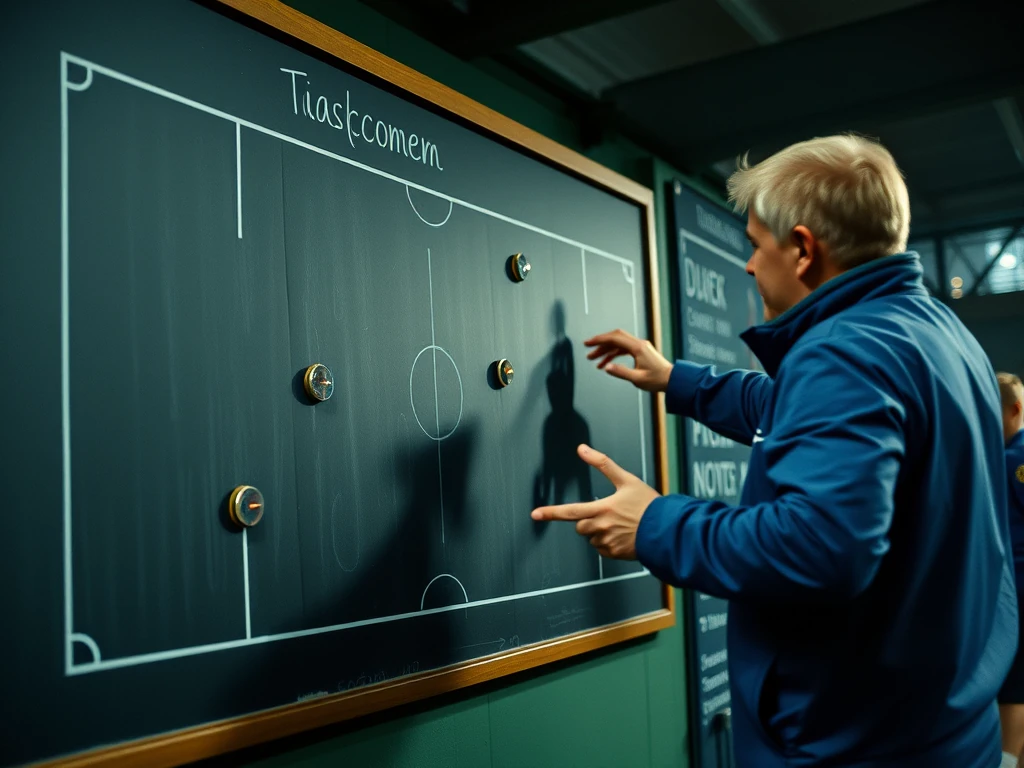
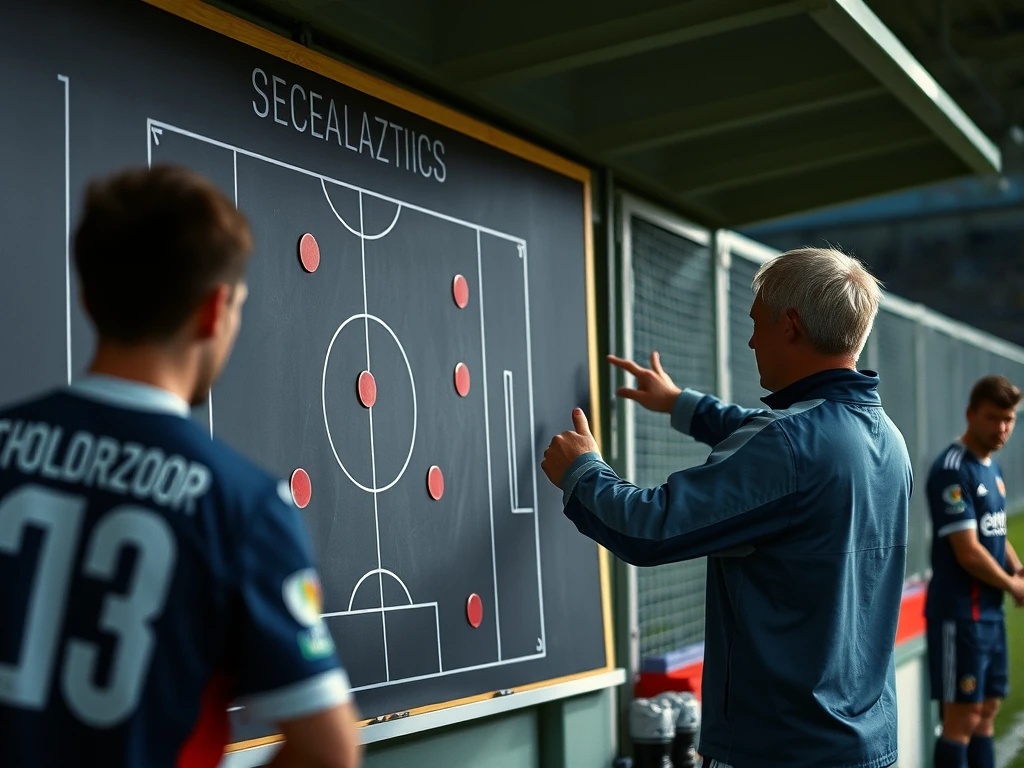
Currently operating primarily in a 4-2-3-1 formation, Dunfermline has utilized the width offered by their wingers effectively, which has allowed them to stretch the opposition's defense. However, there have been moments where the midfield has appeared congested, especially when transitioning from defense to attack. This congestion often leads to missed opportunities, as players struggle to find space and time on the ball. A potential tweak could be to revert to a 4-3-3 setup, which would provide additional support in midfield while maintaining width through the forwards. This change would allow for better ball retention and more fluid attacking sequences.
Midfield Dynamics
The midfield has been a focal point of Dunfermline's play, and while the pairing of two central midfielders offers defensive solidity, it can also lead to a lack of creativity. Introducing a more dynamic player who can operate as a box-to-box midfielder could help unlock the attacking potential of The Pars. This player would not only support the backline defensively but also provide crucial link-up play between the midfield and the forward line, potentially leading to more scoring chances.
Pressing and Defensive Shape
Defensively, Dunfermline has shown resilience, but there are opportunities for improvement in their pressing strategy. A more coordinated press could disrupt opponents’ build-up play earlier, making it harder for them to establish rhythm. Implementing a more aggressive pressing approach, particularly when opponents are in their own half, can lead to turnovers in dangerous areas. This could involve the forwards engaging defenders aggressively while the midfielders close down passing lanes, forcing errors that could be capitalized on quickly.
Set Pieces: An Untapped Resource
Set pieces have been a vital aspect of many teams’ tactical approaches, and Dunfermline could benefit from refining their strategies in this area. While they have shown some threat from corners and free-kicks, a more structured set-piece routine could yield additional goals. This might involve rehearsing specific plays that exploit identified weaknesses in opponents’ defensive setups, potentially leading to more successful outcomes during matches.
Conclusion
As Dunfermline continues to navigate the competitive landscape of the Scottish Championship, slight tactical adjustments could significantly enhance their overall performance. By considering a shift in formation, enhancing midfield dynamics, adopting a more aggressive pressing strategy, and refining set pieces, The Pars can maximize their potential and aim for a stronger finish this season. As always, the support from the fans at KDM Group East End Park will be crucial in pushing the team towards success.