Recent Form Analysis
Dunfermline Athletic's season has had its ups and downs, characterized by moments of brilliance and periods of inconsistency. Recent performances have highlighted both the strengths and weaknesses within the team. The Pars have displayed a solid defensive structure, often relying on the resilience of their backline, led by stalwarts like K. Benedictus. However, their struggles in the attacking third have been evident, with the team failing to convert possession into clear-cut chances.
In their latest outings, Dunfermline's midfield has been a double-edged sword. While they have shown the ability to disrupt opposing attacks, the transition from defense to attack has often been sluggish, leading to a lack of creativity in the final third. The pressing game, although effective at times, seems to falter against teams that can play through pressure. A deeper dive into the tactical setup reveals some tweaks that could significantly enhance their performance.
Suggested Tactical Tweaks
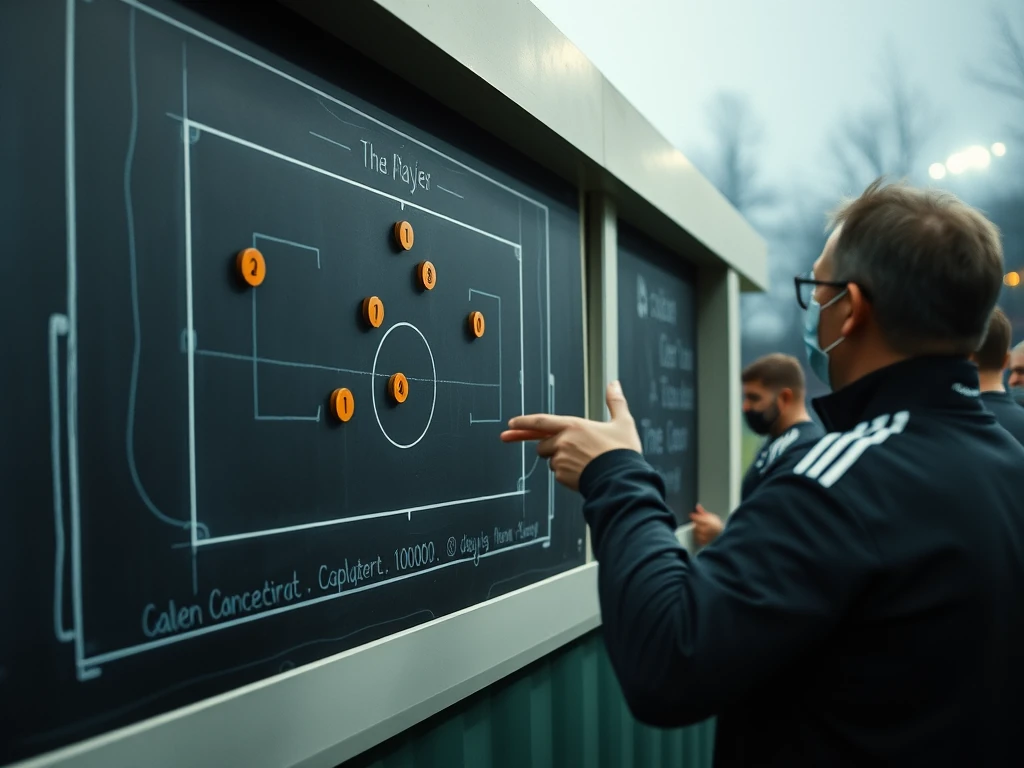
1. Formation Shift: Currently, Dunfermline often relies on a 4-2-3-1 formation, which has provided a stable base defensively but has stifled creativity in attack. A shift to a more dynamic 4-3-3 could be advantageous, allowing for more fluidity in the midfield and providing width on the flanks. This formation would enable the wingers to stretch the opposition's defense and create space for the likes of Z. Rudden and A. Amade to exploit.
2. Midfield Dynamics: To enhance midfield creativity, introducing a more advanced playmaker role could be beneficial. A player like A. Amade, taking on a more central role between the lines, would allow for quick interplay and the ability to unlock defenses. This shift would also provide the opportunity for overlapping runs from full-backs, adding an extra dimension to their attacking play.
3. Pressing Strategy: While the pressing game has been functional, it often lacks cohesiveness. Implementing a coordinated pressing strategy, where players engage in groups rather than individually, could lead to more successful turnovers in dangerous areas. This would require the forwards and midfielders to work in tandem, ensuring that when one player presses, others are ready to support.
4. Set-Piece Focus: Dunfermline has shown potential from set-pieces but has not consistently capitalized on these opportunities. A renewed focus on training set-piece routines could prove vital, especially in tight matches where goals are hard to come by. Utilizing players like K. Benedictus, who can contribute both defensively and offensively, will be key to converting these situations into goals.
Conclusion
As Dunfermline Athletic seeks to find consistency in their performances, these tactical tweaks could be the difference between mid-table mediocrity and a genuine promotion challenge. By embracing a more fluid formation, enhancing midfield creativity, coordinating their pressing strategy, and refining set-piece execution, The Pars can not only bolster their attacking threat but also solidify their defensive prowess. With the right adjustments, Dunfermline has the potential to turn their season around and bring the fans at KDM Group East End Park the success they crave.